Last Exterior Painting Window Before Winter in Colorado Springs
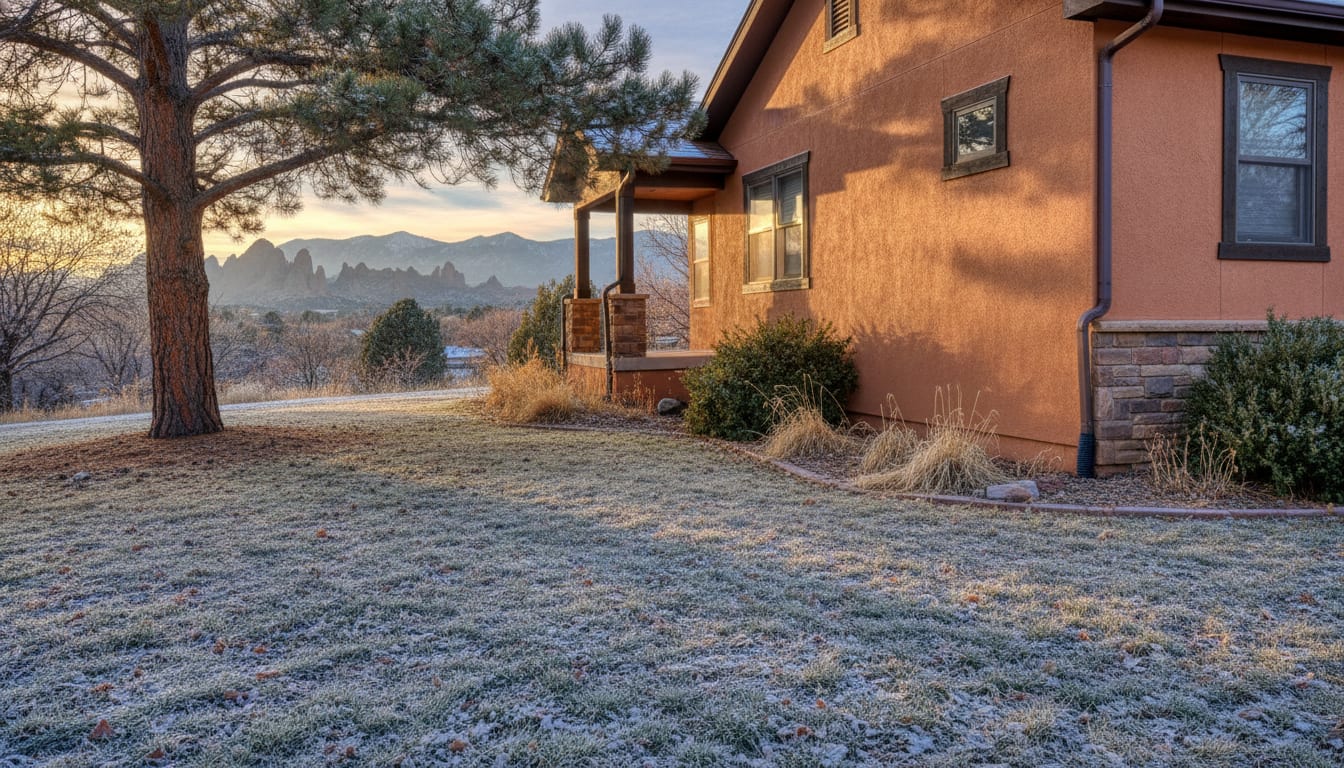
How to use the last exterior painting window before winter hits Colorado Springs, then shift seamlessly to interior work until spring.
Every fall, Colorado Springs homeowners and property managers watch the same clock. The days are still warm enough to paint, but the nights are not, and that gap closes fast. Knowing how to use what is left of the exterior season — and how to pivot to interior work once it closes — saves a coat from failing and keeps a project moving instead of stalling until spring.
Why the Exterior Window Closes So Fast Here
At 6,000 feet and above, Colorado Springs does not cool down gradually the way lower, more humid climates do. A 70-degree afternoon in late September or October can drop 30 to 40 degrees after sunset. That swing matters because exterior coatings need the surface temperature above roughly 50F for the entire cure, not just at the moment of application. A coat that looks perfect at five in the afternoon can be compromised by a freeze at two in the morning. That is the real deadline — not the calendar, the overnight low.
Elevation changes this timeline by neighborhood. Tri-Lakes towns like Monument, Palmer Lake and Black Forest sit higher and colder than the city core, so their exterior season closes earlier. Teller County — Woodland Park, Divide, Cripple Creek — sits above 8,000 feet and loses the window sooner still. Pueblo, by contrast, is lower and warmer and tends to hold a workable exterior season a few weeks longer. If you are weighing timing for a property in any of these areas, where it sits on the map is part of the answer.
What to Prioritize in the Last Weeks
If you have exterior work you have been meaning to get to, fall is not the time to start from scratch on a full repaint unless the schedule allows it. It is a good time to deal with anything that will get worse sitting through a Colorado winter: a cracked stucco wall taking on water, siding with a soft or swollen bottom edge, trim with failed caulk around window and door openings. Sealing those openings — nail heads, board seams, gaps around penetrations — is the step most often skipped, and it is the one that keeps a cosmetic problem from becoming a rot problem by spring.
El Paso County also sits in one of the more hail-prone corridors in the country, and hail damage to siding or trim does not always show up right away. A fall walk-around, looking at south and west elevations especially, is worth doing before winter weather makes any damage harder to spot and repair.
Moving Indoors Once the Window Closes
The good news is that interior painting does not run on the same clock. Once exterior work is no longer realistic for the season, interior walls, ceilings, trim, doors and cabinetry are all fair game, and a controlled indoor environment means cure times are predictable rather than weather-dependent. Fall and winter are, if anything, a practical time to handle interior projects that got pushed aside during the busier exterior months. Waterborne enamels on trim and doors cure hard without the odor of an old oil enamel and are usable in about a day, which matters if rooms need to go back into use quickly.
For businesses and multifamily properties, this is also a natural point to shift a punch list indoors — common areas, units between tenants, office interiors — using evening, weekend or phased scheduling so operations are not disrupted.
Planning for Next Spring Now
If an exterior repaint did not happen this year, fall is a reasonable time to get an estimate on the books mentally, even if the work itself has to wait for the April-to-October window. A free, on-site estimate does not commit you to anything, and it means the scope — including any siding, stucco or trim repairs — is already understood before the next workable season opens up.
Getting an Honest Read on Timing
Whether a given week still has enough workable hours left depends on the specific site, elevation and forecast, not a fixed date on a calendar. A Happy Painting associate can take a look at a property and give a straight answer on whether exterior work is still realistic this season or whether it makes more sense to handle repairs now and schedule the coating for spring, while moving any interior work forward in the meantime.
Frequently Asked Questions
How do I know if it's too late in the season to paint outside?
The deciding factor is the overnight low, not the daytime high. If nighttime temperatures are dropping below about 50F before a coating can fully cure, it's too late for that surface, even if the afternoon feels warm enough. This varies by elevation, so a property in Monument or Woodland Park loses its window earlier than one in Colorado Springs or Pueblo.
Can repairs still happen even if painting has to wait until spring?
Often, yes. Stucco patching, siding and trim repair, and sealing openings around windows and doors can sometimes be done in cooler conditions than full coating work, depending on the materials involved. A Happy Painting associate can look at the specific repair and tell you honestly what's realistic this fall versus what should wait.
Is interior painting a good way to use the time while I wait for next exterior season?
Yes. Interior work runs year-round since it isn't weather-dependent, and fall and winter are a practical time to get to rooms, trim or cabinetry that got pushed aside during the busier outdoor months.