Waterborne Enamels: Interior Painting Colorado Springs Trim
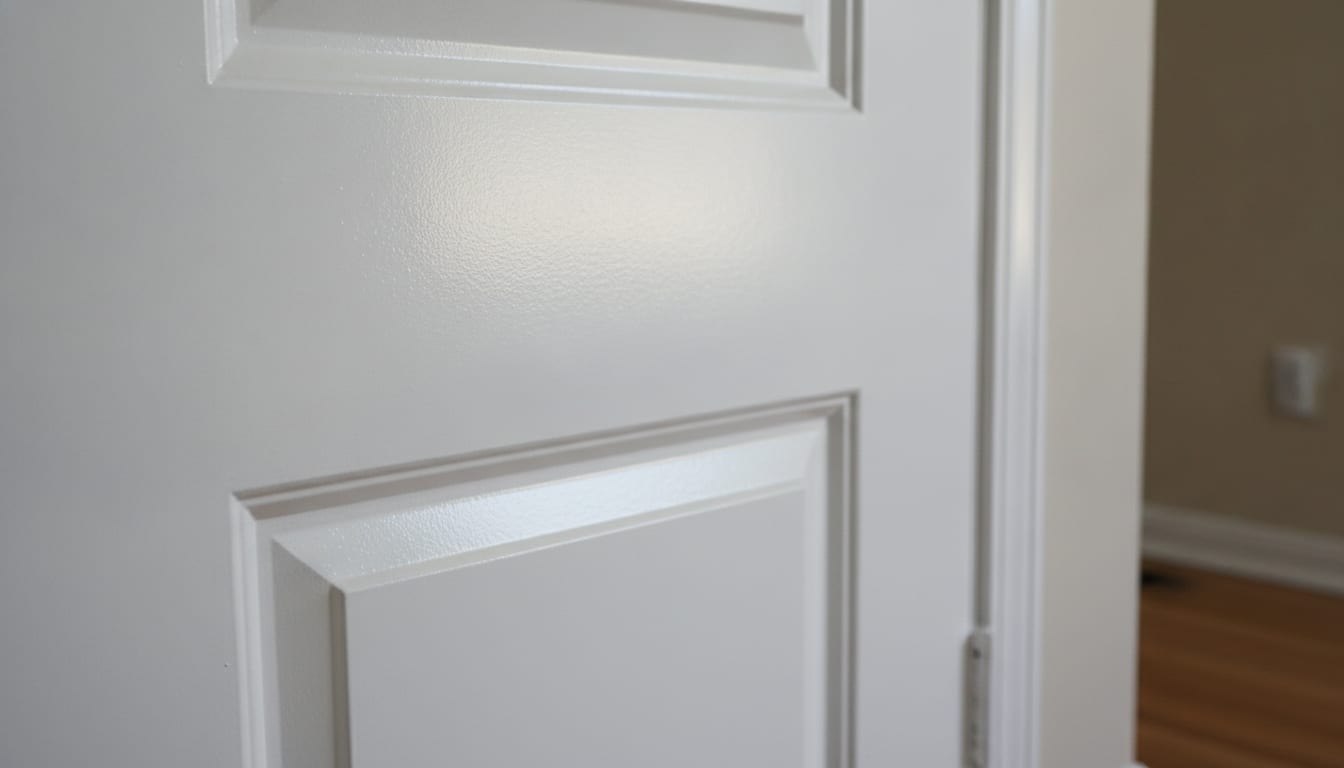
Why waterborne enamels on trim, doors and cabinetry cure hard without the smell or yellowing of oil paint — a guide for Colorado Springs homes.
Once the windows close for the season, the house stops airing itself out. Any odor from a painting project sits in the hallway, the kitchen, the kids' bedrooms, for days. That is the moment people ask us about waterborne enamels, and it is one of the better questions we get because the answer actually changes which product belongs on your trim.
What a Waterborne Enamel Actually Is
Enamel just means a paint that levels out and dries to a hard, smooth film — the kind of finish you want on trim, doors, cabinetry and closets, surfaces that get touched, bumped and wiped down. For decades that meant oil-based enamel. It leveled beautifully and cured rock-hard, but it came with a strong solvent smell that lingered for days, and it yellowed over time, especially in rooms that do not see much daylight.
Waterborne enamel is a modern reformulation that gets you most of that hard, level, wipeable finish without the oil-based baggage. It carries far less odor, cleans up with water instead of mineral spirits, and does not amber the way oil does. On a white closet door five years in, that difference is obvious — the oil-painted one has gone slightly cream-colored, the waterborne one hasn't moved.
Cure Time: Usable Fast, Hard Later
One distinction that catches people off guard: waterborne enamel is usually dry enough to close a door or hang a cabinet back on its hinges within a day, but it keeps curing underneath that surface hardness for a couple of weeks. That window matters. Stack plates in a freshly painted cabinet on day two and you can leave a soft mark that will not happen on day fourteen. We tell people this upfront rather than let them find out the hard way.
Why This Matters More in Fall and Winter
Interior painting in Colorado Springs runs year-round, and the cooler months are actually a good time for it — exterior work has wound down for the season, and a lot of households would rather get interior rooms done before the holidays. But closed windows mean whatever is in the air stays in the air longer. A low-odor product is not a nice-to-have in December; it is the difference between painting a room and avoiding it for a week afterward.
Where It Gets Used, and Where It Doesn't
Waterborne enamel is specified for trim, doors, window casing and cabinetry — anywhere you want a hard, smooth, washable surface. Walls and ceilings generally call for a different product entirely, usually a flat or eggshell wall paint, because you are not trying to get the same glass-like leveling on forty square feet of drywall that you want on a door panel. This is part of why specification changes room to room and surface to surface, not just house to house.
The Prep Still Decides the Outcome
No enamel, waterborne or otherwise, fixes what is underneath it. Existing trim with a glossy enamel finish needs to be deglossed before a new coat will grip it — skip that step and the new paint can peel in sheets within a year. Nail holes, dents and old caulk lines get filled and sanded flat first, because enamel's hard, reflective sheen shows every flaw that flat wall paint hides. Bare wood or any stain gets a stain-blocking primer so it does not bleed through weeks later. This is the same preparation sequence we use across interior painting in Colorado Springs, whether it is one bathroom vanity or a full set of kitchen cabinets.
A Note for Multifamily and Rental Turnovers
For apartment communities and HOA properties preparing units for move-out inspection, trim and door condition get noticed before wall color does. A hard, washable enamel on high-traffic doors and casing holds up to turnover cycles better than a wall-grade paint pressed into service where it was not meant to go. If you manage several units or a whole property, this is worth folding into the same scope as any stucco, siding or drywall repair rather than treating trim as an afterthought.
Talk to Someone Who Specified Coatings for a Living
Josh Welp has over 25 years in the painting trade, including years on the supply side specifying coatings for exactly these situations, and Happy Painting has been serving Colorado Springs and the surrounding area for 13 years. A Happy Painting associate will look at your trim, doors or cabinetry in person and walk you through what is actually being specified for your surfaces — free, on site, no obligation.
Frequently Asked Questions
Does waterborne enamel smell as strong as oil paint?
No. That is one of its main advantages — far less odor during application and while it dries, which matters once windows are closed for the season and the smell has nowhere to go.
How long before I can put things back on painted shelves or cabinets?
Waterborne enamel is usually firm enough to handle gently within a day, but it keeps hardening underneath for a couple of weeks. Avoid stacking or pressing anything against it until it has fully cured.
Can waterborne enamel go over old oil-based trim paint?
It can, but the old enamel needs to be deglossed first so the new coat has something to grip. Skip that step and the new paint can peel. A Happy Painting associate can check the existing finish before anything gets painted.